By Jared Umphress August 6, 2021
Since it has been a couple full moons since I last posted, I figured I would give an update on my current environmental doings and soon post an update on current environmental policies.
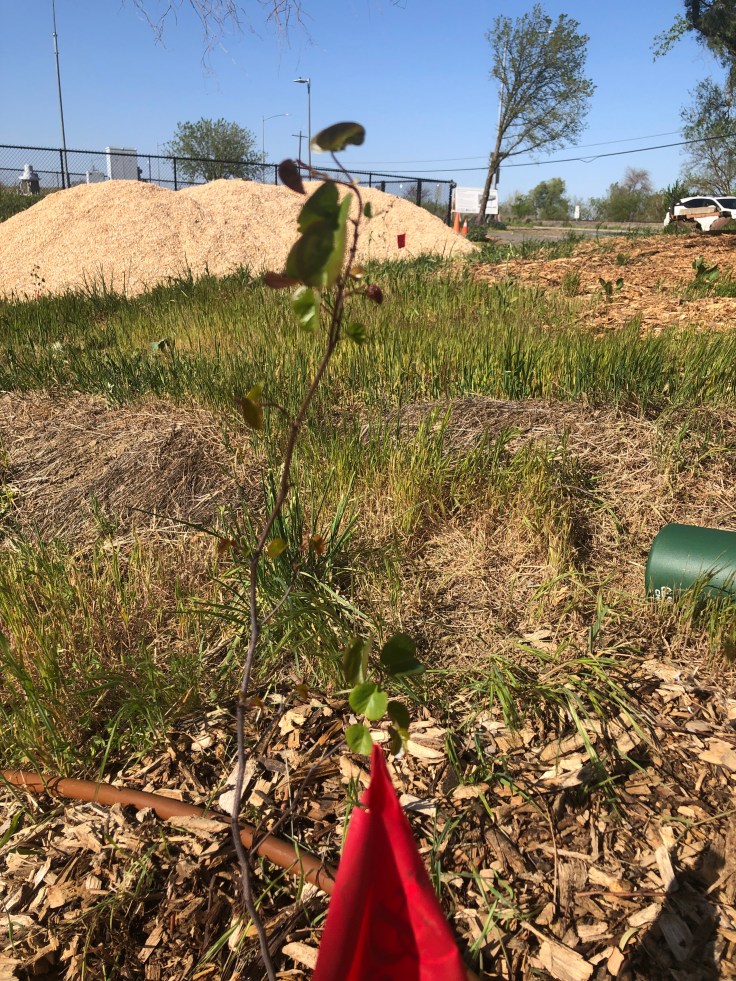
Firstly, for the past half year, I have gotten my high school’s environmental club involved in a community project to restore a habitat. It involves converting a plot of land filled with weeds, to a habitat full of California Native plants; accessible to the public via pathways. Getting involved in the community can bring about positive changes!

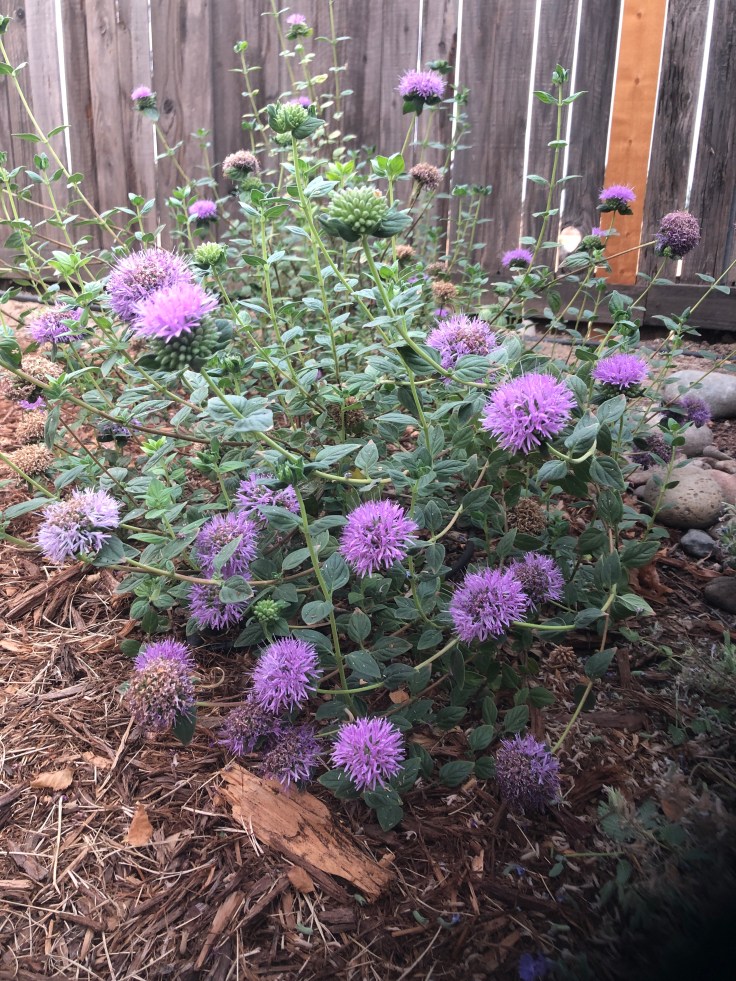
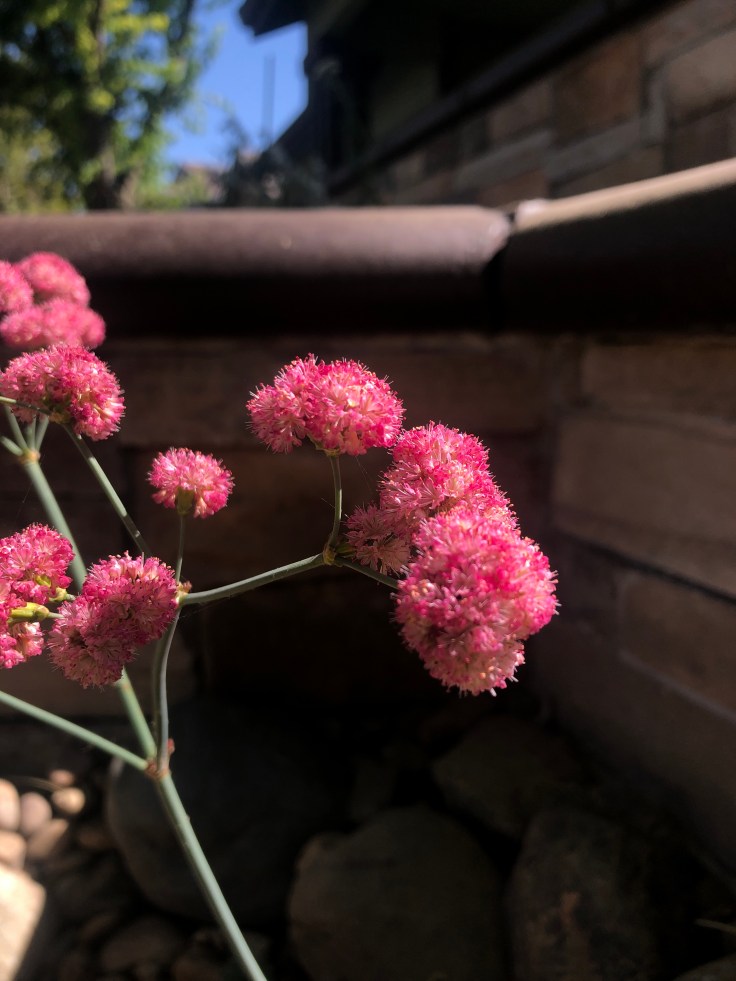
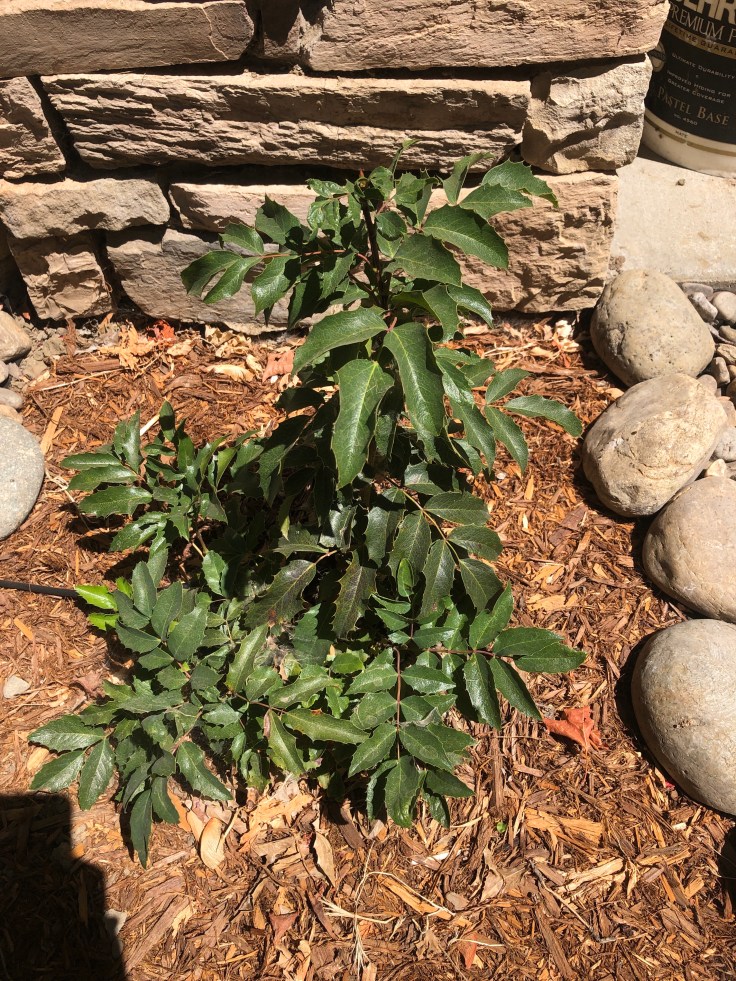
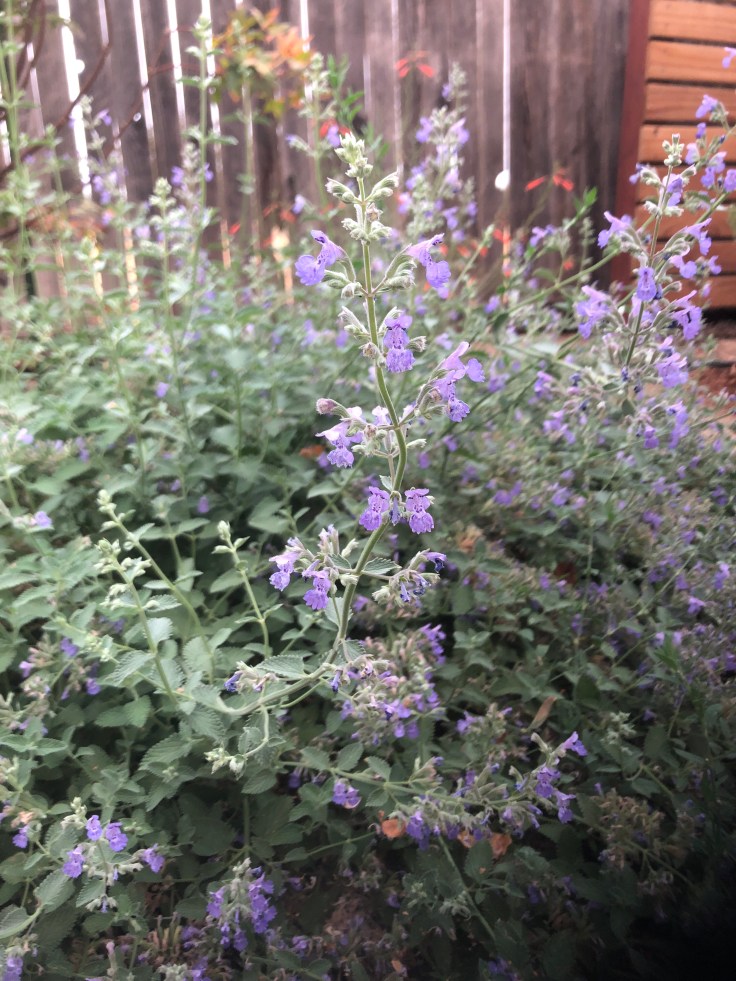
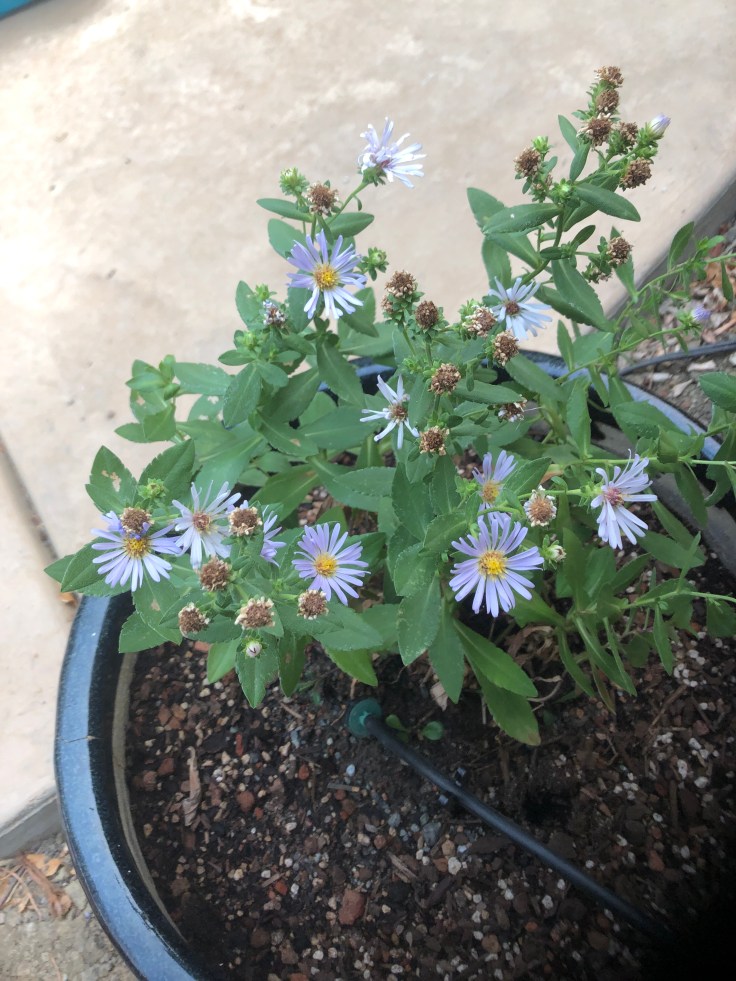
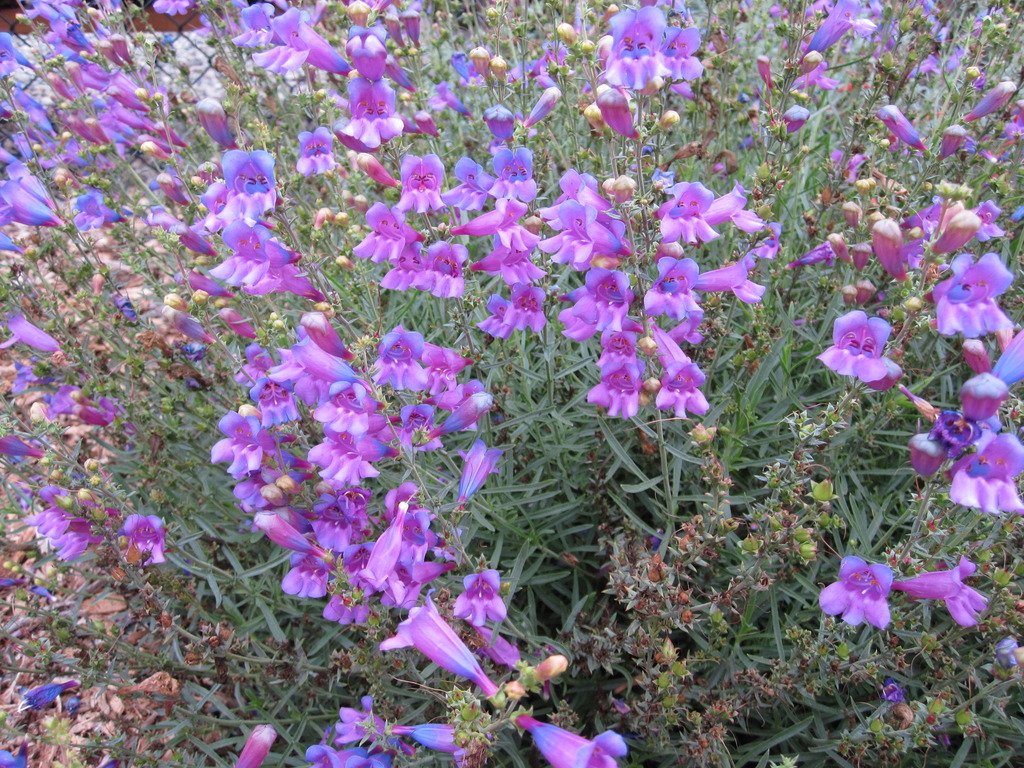
Back at home, restoration is also taking place. We have converted our backyard of heavy water using grass into a landscape of native plants and drought tolerant perennials. Swipe through the images to view new drought tolerant plant selection! From left to right: Coyote Mint, California Red Buckwheat, Dwarf Oregon Grape, Catmint, California Aster, Penstemon Margarita ‘BOP’

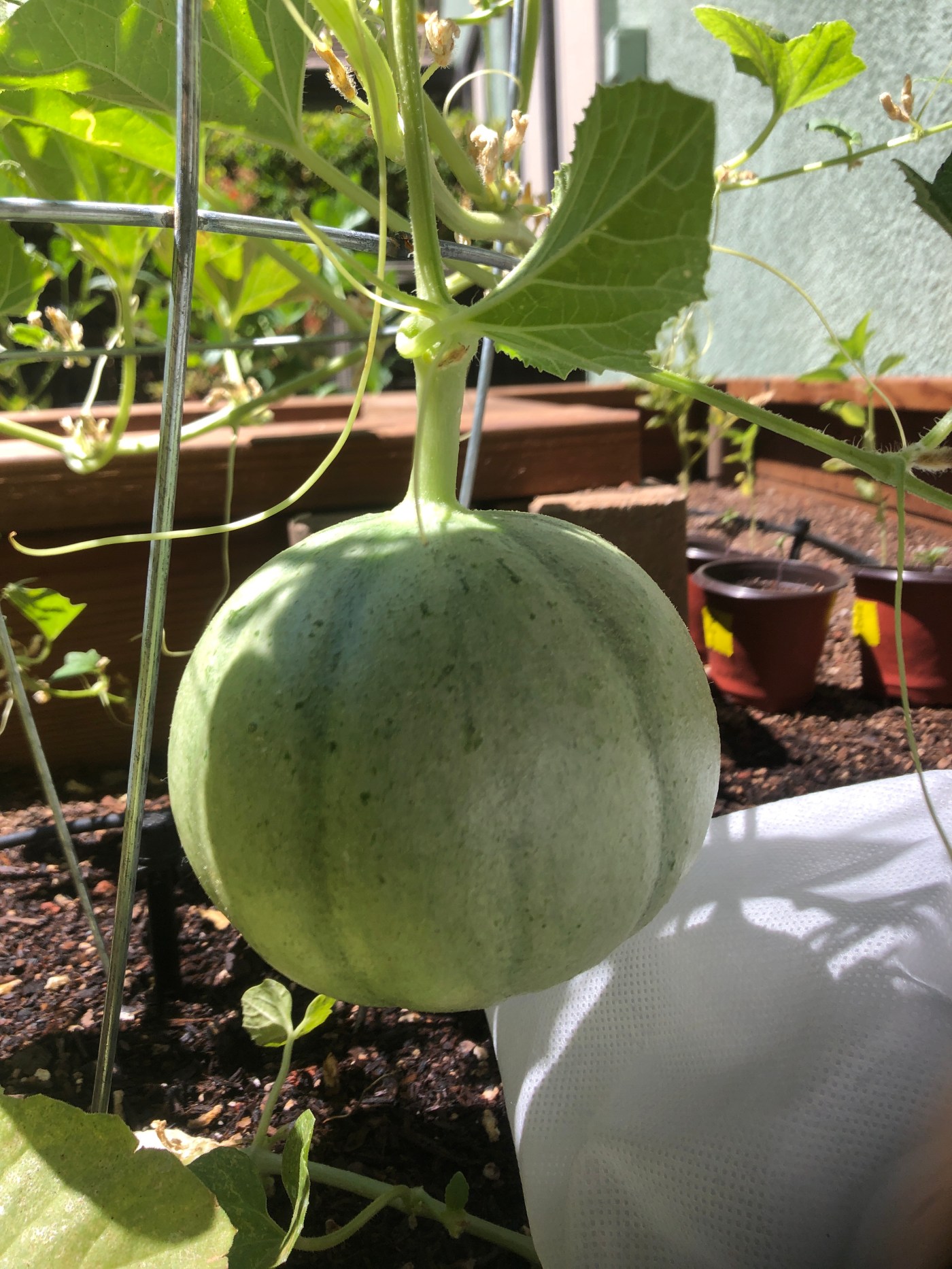
In addition, I have also taken to growing crops at home. This year’s warm season rotation includes garden beans, crops for marinara such as roma tomato, basil, and oregano, cowpeas, and finally a Charentais cantalopue. The favorite plant out of the group is the Charentais (first picture you saw). Due to its soft skin, you cannot find it in grocery stores. It is a garden treat I highly recommend if you have less space to grow a melon.

An activity that I just completed was the COSMOS program at UC Davis on Plant Microbiology. In the course, I performed my own research on Moistures Effect on the Fungal Community of the Monardella Villosa Phyllosphere. In other words, my research was to determine if overhead watering, where you water the soil but also the leaves, increased the amount of fungi on the leaves leading to a fungal disease. Also, I isolated bacillus, a bacteria that can be used to combat fungal diseases, from a sample of soil. Furthermore, I learned that naturally occurring microbes on leaf surfaces, or around the plant’s roots can be used in agriculture as less environmentally harmful alternatives. For example, root enzymes can be used to add nitrogen to the soil, and other microbes can be used to counter fungal diseases and pests.

As for policy, I have immersed myself in the Climate Citizens Lobby (CCL) organization. The goal we have been pushing for is the enactment of a carbon pricing bill. A carbon pricing bill is different from a carbon tax because it puts a fee on the industry polluters for their emissions instead of placing the cost on the individual. The ultimate effect of the bill would be a market shift towards significantly less emissions and renewable energy.
As always feel free to leave any comments, questions, or contradictions in the comment section down below
 The Eco Soldier
Strong work Jared; sounds like it was a productive summer!
Beautiful plantings too.
LikeLiked by 1 person
Whatever happened to lazy summer days? Joking aside, incorporating drought tolerant landscaping has become more important on the west coast with more frequent drought years.
LikeLiked by 1 person