Last Updated: July 30, 2020 By Jared Umphress
People have taken up the opportunity to change up their landscape during this quarantine. If you are considering re-landscaping or simply adding a new plant to the garden, consider plants that are native to your area.
Native plants are essential to a healthy environment. Native plants require less water, are adapted to the climate, and supports native wildlife. In the Californian Central Valley, native plants support bees, butterflies, hummingbirds and other birds. Non native plant species usually take more water, and do not benefit native species.
Native Species Downwards Trend

Many native species are declining, pollinators in particular. Since the 50s, the total monarch population has decreased by 80% (PNAS). The western monarch population
is walking on eggshells with a population decline from 120 million to 26 thousand; a 98% decrease (PNAS). The cause of the monarch decline is herbicide resistant crops which tolerate roundup pesticide but eliminates the milkweed in the process (Environment 360). Milkweed is vital to Monarch butterflies because it is the only plant they can grow and feed off of.
U.S. National Agricultural Statistics report that 60 percent of the bee population has declined from 1947 to 2008. The decline is the result of climate change, lack of diversity, parasites, and habitat loss. A lesser know issue is that European bees, which are spread at an extreme rate stamps out the 1,600 native species in California, yet they receive the majority of concern. The trend towards less biodiversity will put the entirety of bees at risk due to the rate disease can spread.
Why Should You Care?
While this may appear to be a small problem (I mean these bugs are small), the pollinator decline will have a butterfly effect (see what I did there?). The bees, butterflies and hummingbirds are the foundation of the food chain; bees more so for our food. If pollinators were to be Thanos snapped out of existence, 90% of plants, and 1/3 of our crops would go down with it (UC Davis).
So what can you do(plant)?
When shopping for plants to put in you backyard, choose Native Plants and Native Pollinator Plants. This will help improve the environment by planting low water plants and create pit stops or homes for bees or butterflies to pollinate so that they can collect nectar and pollen to feed their colony. To help the monarchs, plant Native Milkweed because they feed the caterpillars and is the only place a Monarch Butterfly can lay eggs. If your focus is on hummingbirds make sure to provide a water feature for them to bathe in, sugar water, and pollinator plants specific for them (usually the color red and tubular flowers).
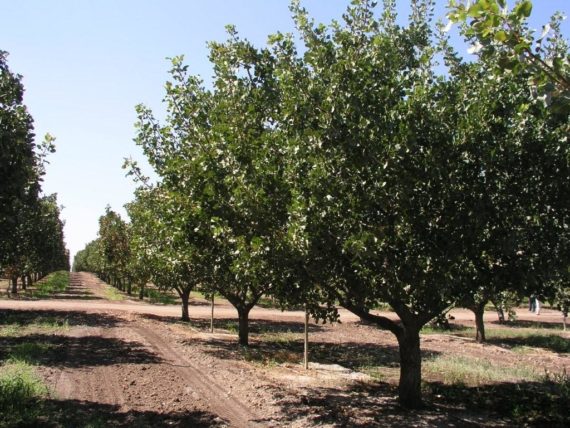
On the left is a picture of a desert willow. Some cities in California are planting Desert Willow’s because the University of UC Davis has found that by the turn of the century most all of California will have the climate similar to a desert.
If you would like more info on this topic read http://sos-bees.org/causes/ . If you would like to know about easy native plants to add to your garden visit https://www.laspilitas.com/groups/native-plants.html .
 The Eco Soldier
A nice initial article. As spring landscaping and planting begins, we will be looking for opportunities to incorporate native plants.
LikeLiked by 1 person
Yes, incorporating native plants not only benefits the local environment, but is easy to maintain.
LikeLike
Your article is a good reminder of the importance of the said insects and plants to our environment which will enable me to be more diligent in my environmental preservation practices!!!
LikeLiked by 1 person
Glad this article was useful to you
LikeLike
Great article on the importance of native California plants for the purpose of landscaped (manmade) environments.
As a longtime landscape architect for mostly residential landscapes in the Sacramento valley and foothills, I find that there is widespread ignorance of California natives. I have interviewed and designed over 2,000 homeowners, and surprisingly very few of them mention that they want to use some California natives, other than the common and popular California poppies. I have worked for a few people who were members of the California native plant society,
and I do try to some of the natives, particularly , Rockrose, Ceanothus (California lilac), and the manzanita family,.
For trees, I frequently use the Heteromeles arbutifolia ( Toyon or Strawberry tree),. The California redwood tree, tallest tree on the earth, is probably in the top five most widely planted trees for residential and commercial.
Because California has a nice Mediterranean coastal and interior valley and foothill climate, new residents to our state have long been importing in plants from throughout the world. ( visit the state Capitol Park in Sacramento and you will witness this fascination). Regarding the loss of bees, especially, there has been considerable publicity about this, and thus I do encounter many people who want to use bee attracting plants to their landscapes. As a result, of competition with plants that are most visually eye catching, and generally classified as “Ornamental” plants, Native plants of California will usually be less desired by the general public Therefore, on going education by writers, journalists, and educators will probably be the tool that can best promote increased use of native plants.
Hopefully, the younger generation of teens and adults who are increasingly worried about global climate change,
will help to lead the charge. While i myself deal with one family or household at a time, those who seek out careers in the field of government or where policies are made, can better exert influence over much larger numbers of people.
In addition, the use of native plants in a completely natural environment ( such as national or state parks), is much different than a privately maintained garden. This is partly due, I think, to the fact that native plants can spread, or self sow, on their own, replenishing themselves, and replacing older plants that naturally die out due to old age.
for a private garden, or commercial landscape, if you read up on the Care of Native plants, most of them do benefit from eventual pruning, So, while widely written about as “low maintenance”, that does not mean “No Maintenance”
for environments frequently used by humans ( parks, residential landscapes).
But I hope and encourage Jared to continue this interest and concern as one of his lifelong passions.
I am excited that he is excited about this as well.
LikeLiked by 2 people