Last edited: November 17, 2019
What is composting?
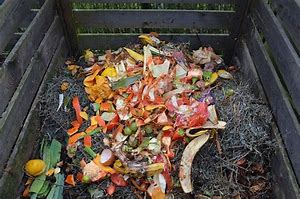
Composting is the process of converting organic waste into nutrient rich soil. Organic material that can be composted includes: food scraps, cardboard, napkins and yard trimmings. Compost soil will become vital in the coming years to help the growth of plants, for it retains more water and can insulate lower levels of soil from extreme weather.
How does composting work?
Organic matter is broken down by microorganisms, which is composed of 90% bacteria. Stage 1: Mesophilic microorganisms, begin physically breaking down the organic matter; they can thrive in temperatures from 68-113 degrees F. Stage 2: The temperature increases so thermophilic microorganisms, which can tolerate hotter temperature break down the organic matter into smaller finer pieces. Stage 3: The temperature drops therefore both the Thermophilic and mesophilic microorganisms finish breaking down the matter into usable soil
The Importance of composting
When you deposit your organic waste, instead of it being sent out to idle in a landfill, it could repurpose itself into rich soil to continue a sustainable cycle. Organic matter that goes to landfills emits methane as it decomposes. In addition, organic matter such as cardboard can take years to decompose in a landfill, for waste in excess can overwhelm the microorganisms. However in a compost pile it can decompose in around 3 months. Another reason is that compost is an effective topsoil. The microorganisms within compost break down organic matter into nutrients to feed plants. In addition, compost soil retains water at a greater rate so you don’t have to water as much. Microorganisms that are beneficial for fighting plant diseases and increasing nutrient uptake are within the soil. Finally, compost soil can prevent soil erosion, which leads me to an important topic.
According to a meta analysis of more than 125 sources published by the Journal of the Environment, Development and Sustainability, “Soil is being swept and washed away 10 to 40 times faster than it is being replenished.” This statistic applies to the USA. Soil can be swept up by rain if it has eroded or does not have topsoil. Soil erosion can be due to cattle or because the soil does not have a suitable topsoil to maintain structure. Henceforth, adding compost to agricultural land can prevent erosion and maintain its health.
What can you do?
There are many ways you can implement this environmentally friendly practice into your life. Practices you can execute in your home include creating a backyard compost pile/tub or worm bins. To tend for you compost, you must water once per week, and flip the pile with a shovel or pitchfork to provide oxygen for the microorganisms. Also, make sure you create an approximate even green:brown ratio of organic waste in the pile. You can also use coffee grounds that helps by supplying nitrogen!
For those who don’t have the ability to create a compost pile or bin you can use the city compost bins. Finally, one small step that can help greatly is to hold onto organic waste until you find a compost pile. Its the small steps that we take that make a difference.
To learn more about the science of composting visit: https://www.livescience.com/63559-composting.html
To learn more about the benefits of compost visit: https://www.thespruce.com/the-benefits-of-composting-2539498
To learn more about the issue of soil loss visit:https://www.fewresources.org/soil-science-and-society-were-running-out-of-dirt.html
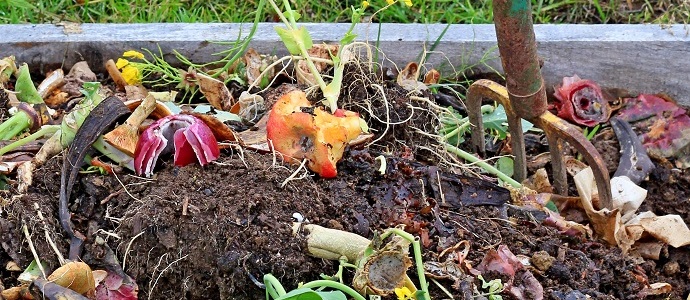
Picture on article block from https://permaculturenews.org/2017/01/12/small-scale-composting/
As always feel free to leave any comment, questions or contradictions in the comment section down below!


Thanks for this great article! I’ve been trying to be more diligent about composting. Would you recommend also including eggshells, used paper towels, and chicken bones into the compost bin? If not, why?
Thanks in advance!
LikeLiked by 1 person
If you are speaking about the compost bin that is picked up by the city, the eggshells, chicken bones and paper towels are fine. Adding egg shells to a backyard compost bin is a maybe, but a definite no on the chicken bones; they may attract rodents or squirrels.
LikeLike