Last Updated: September 13, 2020 By Jared Umphress
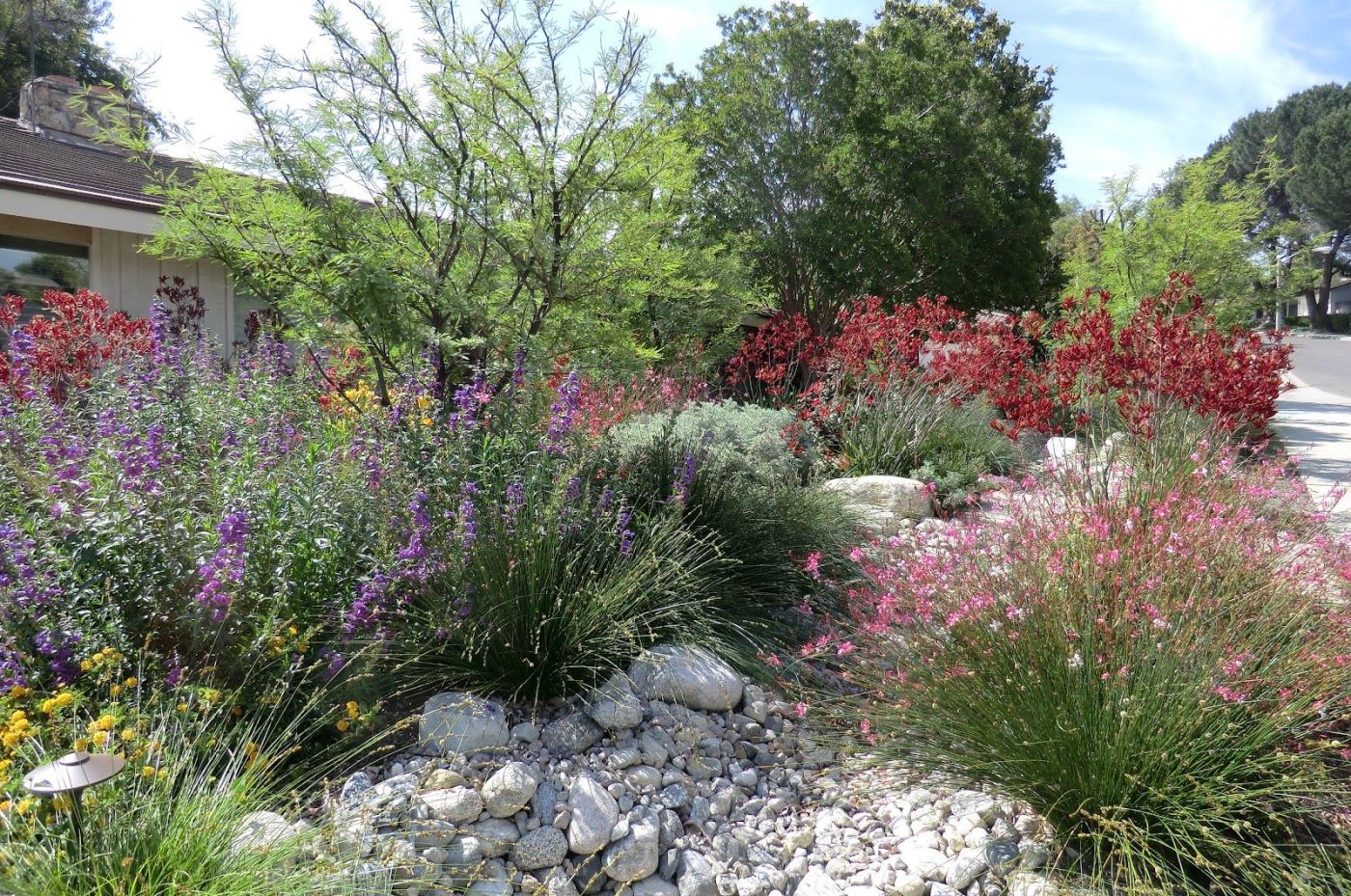
People have taken up the opportunity to change up their landscape during this quarantine. If you are considering re-landscaping or simply adding a new plant to the garden, consider plants that are native to your area.
Native plants are essential to a healthy environment. Native plants require less water, are adapted to the climate, and supports native wildlife. In the Californian Central Valley, native plants support bees, butterflies, hummingbirds and other birds. Non native plant species usually take more water, and do not benefit native species.
Native Species Downwards Trend
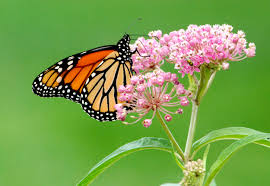
Many native species are declining, pollinators in particular. Since the 50s, the total monarch population has decreased by 80% (PNAS). The western monarch population
is walking on eggshells with a population decline from 120 million to 26 thousand; a 98% decrease (PNAS). The cause of the monarch decline is herbicide resistant crops which tolerate roundup pesticide but eliminates the milkweed in the process (Environment 360). Milkweed is vital to Monarch butterflies because it is the only plant they can grow and feed off of.
U.S. National Agricultural Statistics report that 60 percent of the honey bee population has declined from 1947 to 2008. The decline is the result of habitat loss, pesticide use, lack of diversity, and climate change. A lesser know issue is that these farm raised honey bees, which are spread at an extreme rate stamps out the 1,600 native species in California, yet they receive the majority of concern. The trend towards less biodiversity will put the entirety of bees at risk due to rapid disease spread through one species.
Why Should You Care?
While this may appear to be a small problem (I mean these bugs are small), the pollinator decline will have a butterfly effect (see what I did there?). The bees, butterflies and hummingbirds are the foundation of the food chain; bees more so for our food. If pollinators were to be Thanos snapped out of existence, 90% of plants, and 1/3 of our crops would go down with it (UC Davis).
Agricultural projects will play a key role to protecting the pollinators. Utilizing multiple species of bees will keep a more stable population, and planting natives in agricultural areas will support the populations and improve the soil quality.
So what can you do(plant)?
When shopping for plants to put in you backyard, choose Native Plants and Native Pollinator Plants. This will help improve the environment by planting low water plants and create pit stops or homes for bees or butterflies to pollinate so that they can collect nectar and pollen to feed their colony. To help the monarchs, plant Native Milkweed because they feed the caterpillars and is the only place a Monarch Butterfly can lay eggs. If your focus is on hummingbirds make sure to provide a water feature for them to bathe in, sugar water, and pollinator plants specific for them (usually the color red and tubular flowers).
The plants I listed below are native, but there are other regions you can get drought tolerant plants from South Africa, Australia, Chile, and the Mediterranean have similar climates and can do well in California.
A little bit of each (Bees, Butterflies, Hummingbirds, Beneficial)
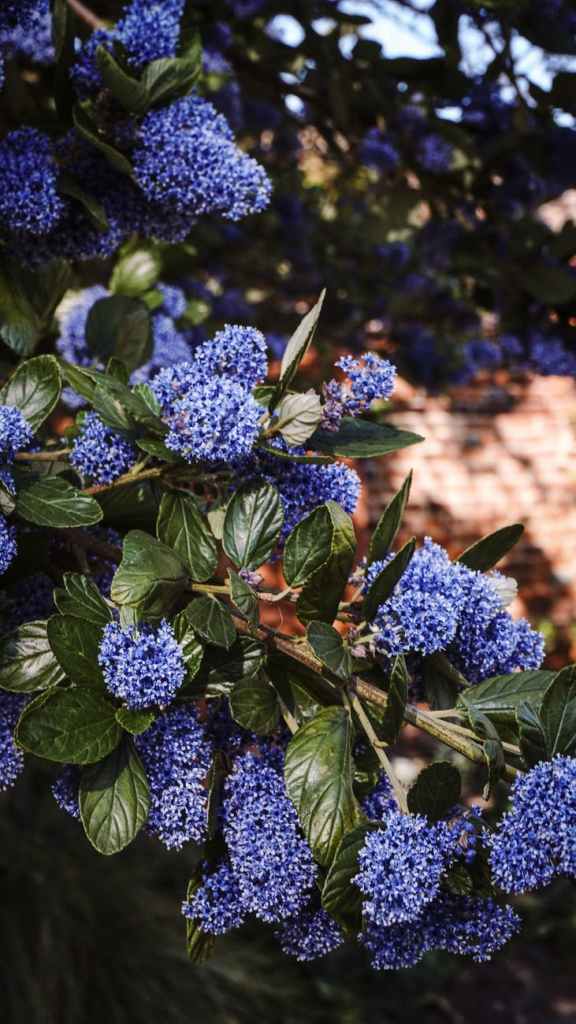
California Lilac
Size: 4′ tall shrub, certain species are dwarf trees
Blooms: Spring to Early Summer
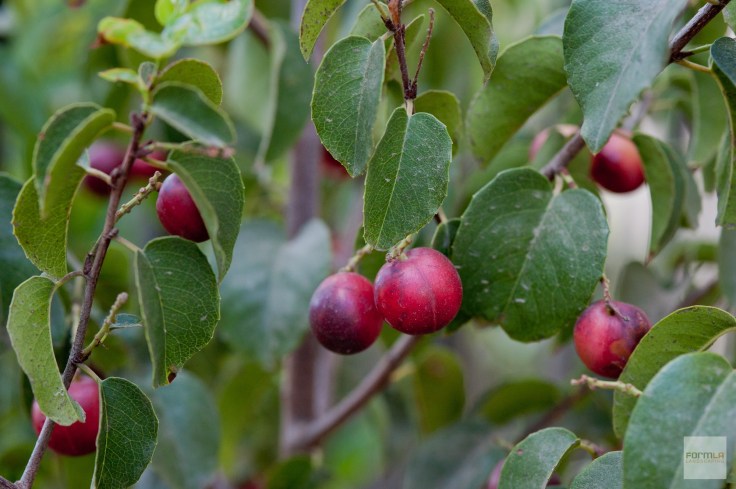
California Coffeeberry – Shrub variant
Size: 4′ by 4′
Blooms: Spring
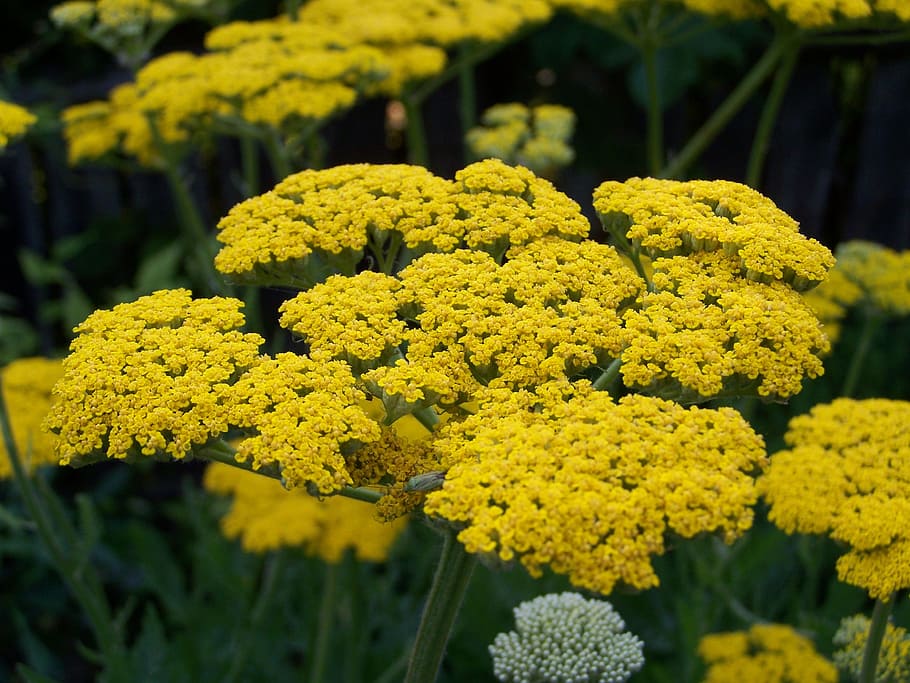
Yarrow (White or Yellow)
Size: 3′ tall controlled shrub
Bloom: Spring to Summer
Beneficial For Bees
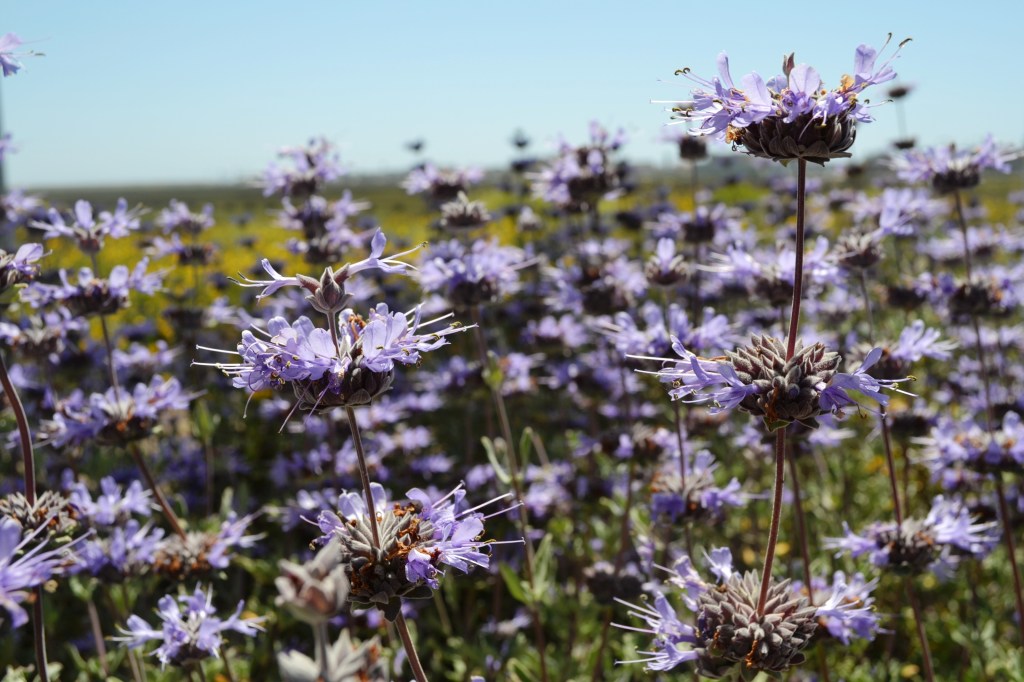
Cleveland Sage
Size: 3.5′ tall, 8′ wide
Bloom: Spring Summer
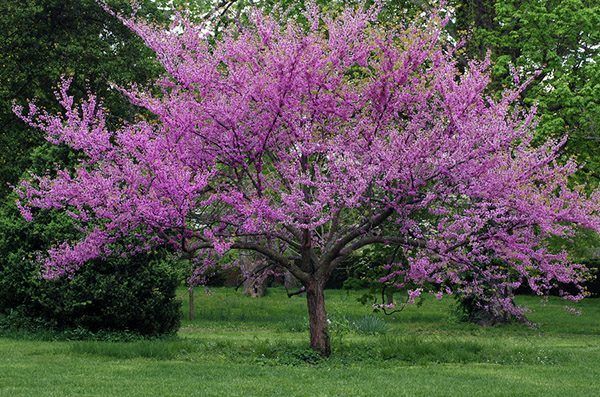
Western Redbud
10′-20′ by 10′-20′ tree
Bloom: February to April
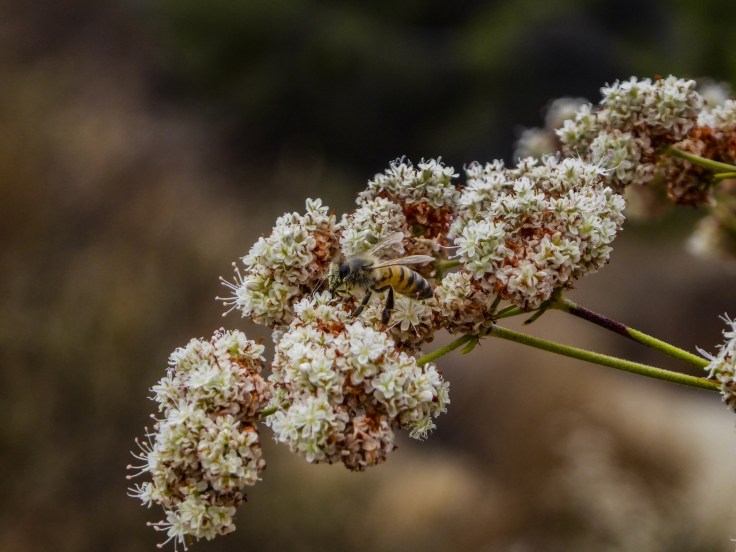
California Buckwheat
3′ tall, 4′ wide
Bloom: Summer
Beneficial To Butterflies
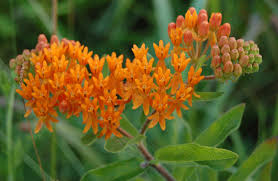
Milkweed
3′ tall flower, width as much as you seed
Bloom: Summer
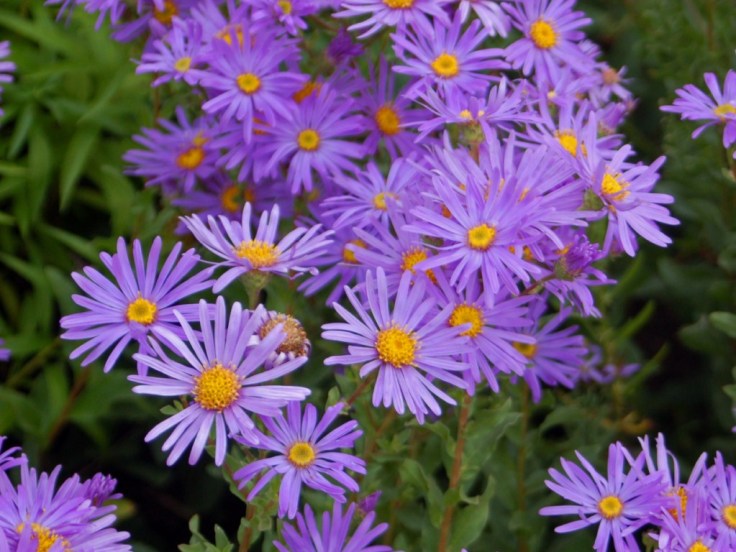
Wayne Roderick’s Seaside Daisy
1-3′ by 3′ wide perennial
Bloom: Spring to Fall
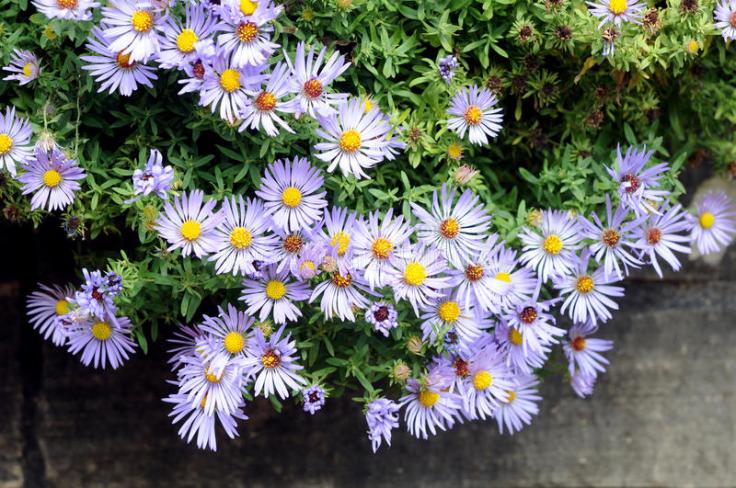
California Aster
1-3′ by 3′ wide perennial
Bloom: Summer
Beneficial To Hummingbirds
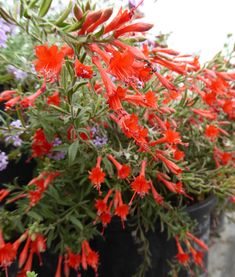
California Fuschia
3′ tall shrub, 5′ wide
Bloom: Spring to Fall
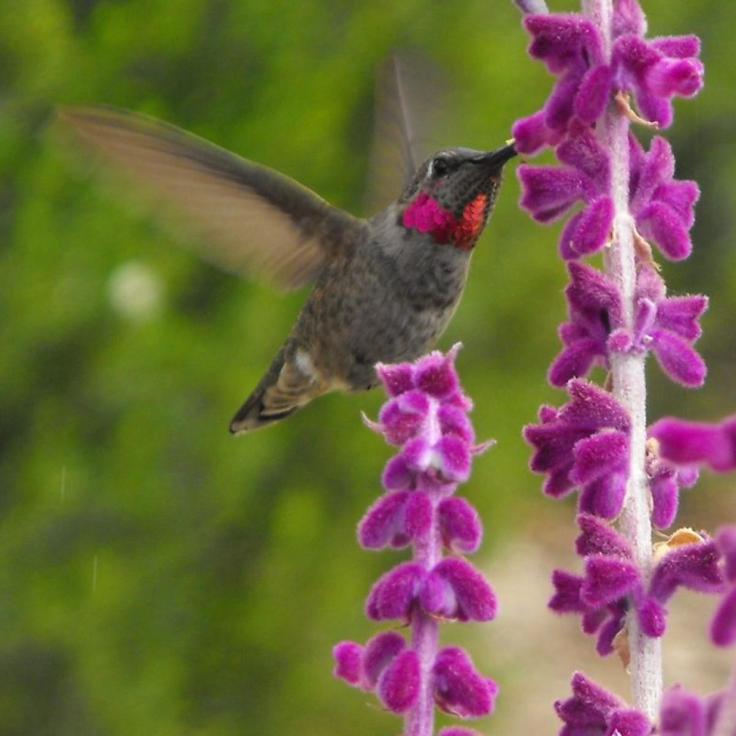
Hummingbird Sage
2-3′ tall shrub
Bloom: Spring
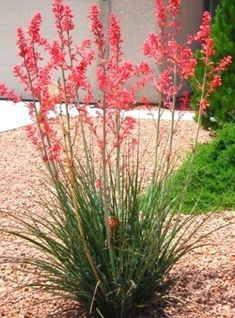
Coral Yucca
4′ tall perennial (more controlled growth)
Bloom: Ever Blooming
Go to https://calscape.org/ and use the advanced search to find California Natives to your preferences.
Tips and Tricks
When establishing a native plant, place it in a mound two to three inches above grown to reduce crown rot. Water once a week for about a month, then around one to two times a month. For the best success in attracting pollinators and hummingbirds, have flowers blooming throughout all seasons, and of all different types of colors. For every plant, do research and ask questions about the specific care.
Furthermore, group the plants by water use, and use wood chip mulch when necessary. Native plants can be easy to maintain if you know what you are doing. During the fall is the best time to plant, so if you are reading this article around its release, now is the perfect time!
Bibliography
Zagory, Ellen. “10 Bees 10 Plants.” Gardening for Pollinators, UC Davis, https://ucdavis.app.box.com/s/l5mw4rbmmdkwv91trkxqy55mzj6ag7zr.
“Pollinator Plant List Hummingbirds.” UC Davis Arboretum, photos by Shankuntaia Mhakijani, UC Davis, https://arboretum.ucdavis.edu/sites/g/files/dgvnsk1546/files/inline-files/hummingbird-plant-list-2018_0.pdf.
Shapiro, Art, and T. D. Manolis. “Butterflies in your Garden.” UC Davis Arboretum, UC Davis, https://arboretum.ucdavis.edu/sites/g/files/dgvnsk1546/files/inline-files/butterfly-handout.pdf.
Boyle, J. H., et al. “Monarch butterfly and milkweed declines substantially predate the use of genetically modified crops.” Proceedings of the National Academy of Sciences of the United States of America, National Academy of Sciences, 19 Feb. 2019, https://www.pnas.org/content/116/8/3006#page.
Engelsdorp, Danis Van., et al. “A Survey of Honey Bee Colony Losses in the U.S., Fall 2007 to Spring 2008.” PLOS ONE, PLOS ONE, 30 Dec. 2008, https://journals.plos.org/plosone/article?id=10.1371/journal.pone.0004071.
Shor, Don. “Getting started with Native Plants.” Davis Enterprise, McNaughton Newspapers Inc., 7 Apr. 2015, https://www.davisenterprise.com/features/getting-started-with-native-plants/.
As always feel free to leave any comment, questions or contradictions in the comment section down below!
 The Eco Soldier
Thanks Jared,
This is some great info!
Sincerely, McC
LikeLiked by 1 person
loved this article
LikeLiked by 1 person
So informative!!
LikeLiked by 1 person
Thanks for the feedback!
LikeLike
Great article again, and really like the plant photos! As a landscape architect, i also find that the Yucca, western redbud tree, and yarrow, and also the california fuschia, and sages perform really well in our climate, ( in sunny locations), and also are well received by people that live here. Your recommendation of using other drought tolerant Non native plants from around the world, opens up a whole other world of plants, which are also widely used by most designers and installers . As you may or may not know, California has long had a tug of war, between those who advocate protecting our California native plant population with introduced non native plants, some of which have escaped into the wild and threaten the native plant populations. I would be curious as to whether you think that
this is a issue of conflict, or maybe it does not really matter?
LikeLiked by 2 people
Good question. Although it would be great if all added plants would be native, adapted species are a step forwards from heavy water using plants and lawns, and contain many benefits. Non native plants that are commonly added should be researched to identify if they have invasive traits. If so, there usage should be discontinued. In all, I advocate for planting as much native plants as possible, with an addition of some adapted species that are non-invasive.
LikeLike
yes, Echo Soldier Jared,
invasive spieces are a real problem. A few years ago, I discovered tiny ivy seedlings in my yard. They were dropped by birds, who roost up in the tree. A neighbor behind my house had ivy growing up to the fence, so I know where it came from. Although it is well known that ivy is very invasive, I have never read anything about it starting from seeds. Most experienced gardeners know from personal experience of quite a variety f invasive plants, some of which spread by horizontal roots, others by the sprouting of hundreds of seeds ( such as privet trees, native to Asia).
And the experts say that once upon a time, the hills in California remained green throughout the summer, but the native evergreen grasses could not compete with the annual grasses, which die out every summer. These grasses came from Europe, and were spread by various means, including the wheels of wagons heading westward.
LikeLiked by 1 person
I can relate to that experience you had with the ivy. One of my neighbors planted an invasive vine that took over the whole fence and beyond. It’s removal will mean that the fence must be replaced. I mostly deal with invasive plants by using mulch and just picking some weeds every time I am out in the garden.
In response to native grasses being outcompeted, it is truly tragic. The introduction of invasive annuals is now a contributing factor to increased fires due to their drying out during the warm seasons. If anyone is interested about California Native Grasses, visit https://www.cnga.org/ where you can learn about their importance, and areas you can visit the preserved, or restored lands.
LikeLike
Thanks for your reply. yes, and another very invasive vine, is Morning Glory, which I encounter in people’s backyard about every three months. It can root into the soil and spread 20-30 feet in one season, and climb up trees and over the fences into another yard. Yet the nurseries continue to sell such plants. Running bamboo is another, well known, yet still sold at the nurseries. Inicidentally, the city of Sacramento has recently doubled its lawn rebate program from $1.50 sqare foot to $ 3.00 sq. ft., up to a maximum of $ 6,000 per household, so now many more people are seeking to convert their yards to drought tolerant plantings. Money talks!
LikeLiked by 1 person
Gosh, we seem to have a full articles worth of information in the comment section, that’s awesome! It is an issue that nurseries sell invasive plants primarily because people may find them appealing when the plants are young. On the other hand, I have seen an increase of native plants being sold in chain nurseries, notably ACE, which had an entire California Native plant section. Would you mind sharing the link to the California lawn to dryscape rebate?
LikeLike
Great article! Thanks for the info. Now time for me to do my research and planning.
LikeLiked by 1 person